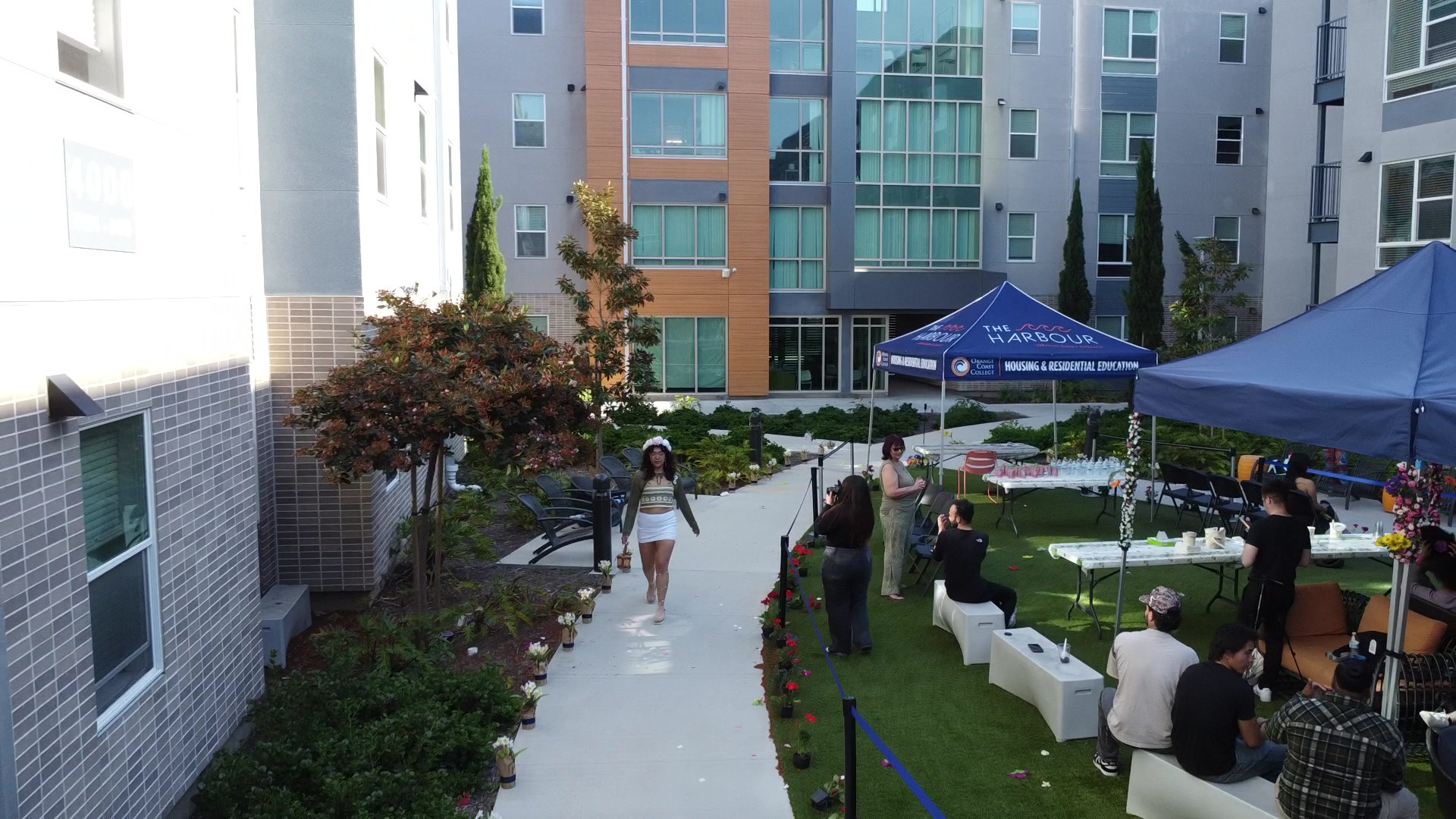
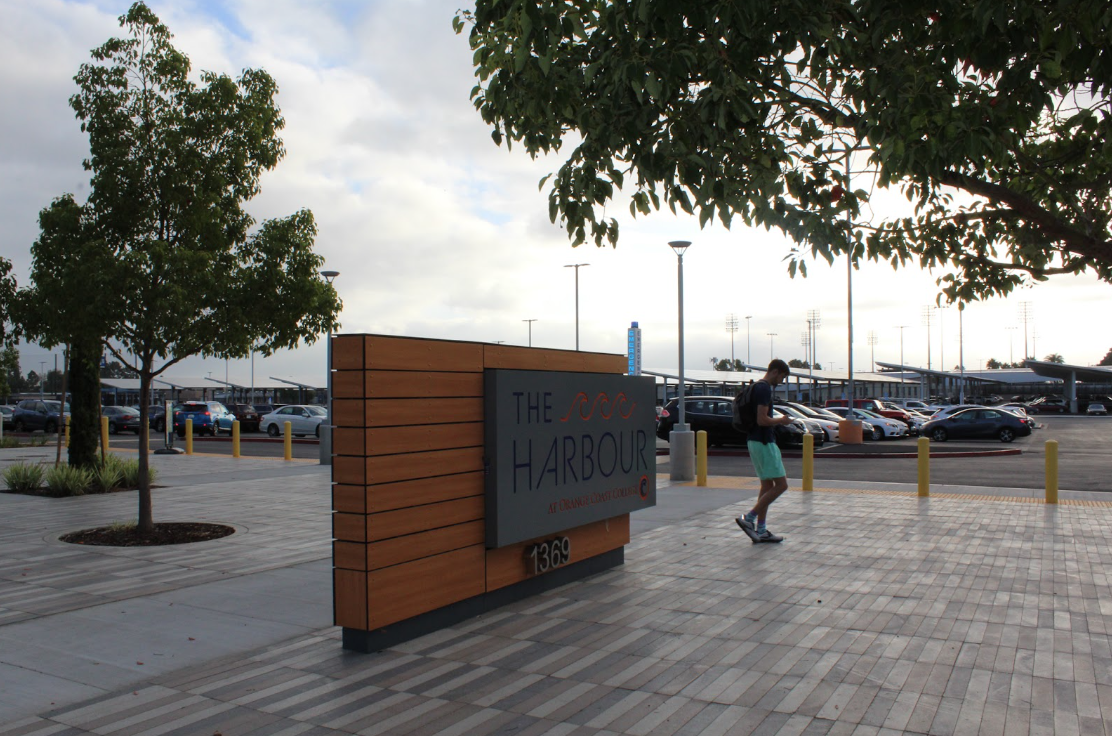
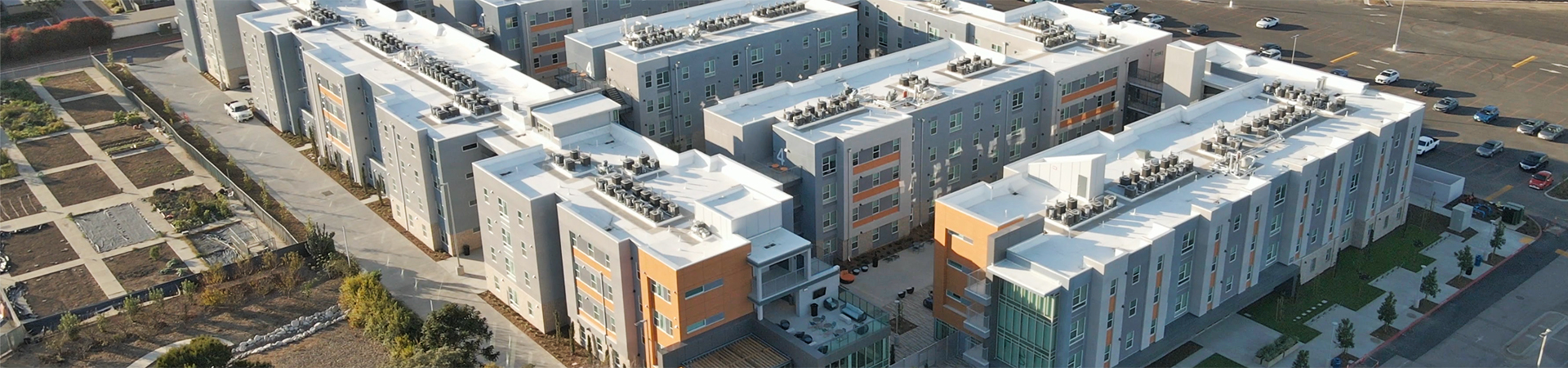
Orange Coast College markets The Harbour as “safe, supportive student housing.”
What residents experience is something very different.
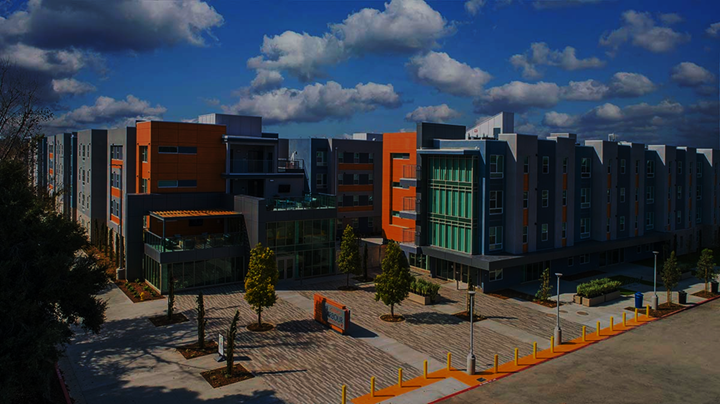
After living at the Harbour during the 2025 academic year and after being arrested, jailed, and released without charges following a night of unchecked chaos on campus, I believe it is time to speak plainly about what life at the Harbour actually looks like when safety is treated as an inconvenience rather than an obligation.
Broken Cameras, Open Doors, Predictable Outcomes
For months, residents have raised the same concerns again and again:
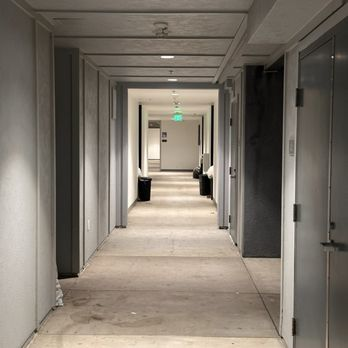
• Security cameras that do not function or are unreliable
• Exterior doors routinely propped open
• Non-residents freely entering dorm buildings at all hours
• Delayed or nonexistent responses to complaints about intoxicated or aggressive individuals
These are not minor maintenance issues. These are fundamental security failures.
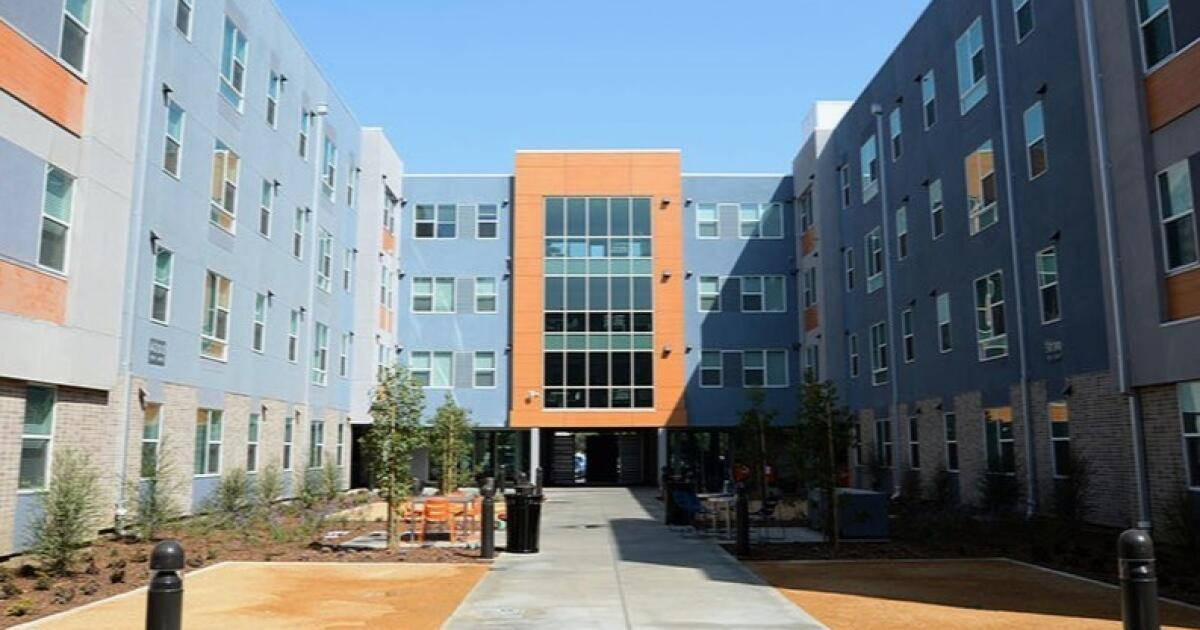
A dorm with broken cameras and propped doors is not student housing, it is an uncontrolled environment. When administrators know these conditions exist and fail to correct them, the resulting harm is not unforeseeable. It is predictable.
Management That Minimizes Instead of Protects
The Harbour’s General Manager, Madison Haddington, is not a bystander. Her role exists precisely to ensure that residents are safe and that serious incidents are addressed competently and transparently.
Instead, residents (including myself) have experienced a pattern of minimization.
Serious safety complaints were downplayed. Escalating incidents were treated as isolated annoyances. Residents raising alarms were managed, not protected.
After the turmoil, trauma, and academic disruption I endured during my first semester, while paying thousands of dollars in rent, the administration’s response was not accountability or meaningful remediation.
It was a $100 gift card.
That offer was not just inadequate. It was insulting.
A gift card does not compensate for lost safety, lost sleep, emotional trauma, physical injury, or time spent in jail after institutional failures. It sends a clear message: this is how little your experience matters.
When Leadership Fails, Students Pay the Price
Responsibility does not stop with housing management.
Dean of Students Dr. Vergara and Director of Student Housing Jamie Kammerman occupy positions that exist to advocate for students especially when systems break down.
Yet when the Harbor’s failures became impossible to ignore, students were met not with advocacy, but with silence, deflection, and procedural distancing.
When housing is unsafe, when campus police fail to act, when students are harmed, student affairs leadership has a duty to intervene. Failing to do so is not neutrality it is complicity through inaction.
From “Manage the Risk” to “Ignore the Harm”
What makes the Harbour situation especially disturbing is not just what went wrong but how consistently it was brushed aside.
• Aggressive non-residents were allowed to remain on campus
• Intoxicated individuals were repeatedly reported without consequence
• Students in emotional distress were met with discipline and eviction threats rather than support
• Warnings were ignored until chaos erupted
This is what happens when an institution prioritizes liability management over human safety.
A Tragedy That Should Have Changed Everything
Since my arrest, a 19-year-old female student, Karina Mora Hidalgo, was found deceased in her dorm room following a wellness check.
Publicly available information indicates she was a foster youth, under extreme stress, and facing eviction from student housing.
No one is claiming that a single administrator caused this tragedy. But it is impossible to ignore the broader context: a housing system where distress signals are normalized, minimized, or redirected into bureaucratic processes instead of urgent care.
When vulnerable students are treated as problems to be managed instead of people to be supported, outcomes like this are no longer shocking unfortunately they are inevitable.
Accountability Is Not Optional
Orange Coast College cannot continue to treat student safety as a public relations issue.
RA’s must do their job and check on their residents
Broken cameras must be fixed.
Propped doors must be addressed.
Non-residents must be removed.
And administrators must stop minimizing serious incidents once they become inconvenient.
Madison Haddington, Dr. Vergara, and Jamie Kammerman should not be asking how to quiet complaints. They should be asking why so many students are afraid, harmed, and unheard under their watch.
Why This Matters
Students live at the Harbour because they are told it is safe.
Parents pay because they trust that promise.
And when that promise is broken, the response cannot be gift cards, silence, or spin.
It must be accountability.
Until that happens, the Harbour is not a housing success story…… it is a warning.


So glad you are finally sharing your story about this. Doesn’t sound like you got the resolution you wanted but this is great!! Glad you are my friend
Why on earth is a JC providing housing at all. It’s a recipe for failure from the start.
I’m so sorry this happened to you, as someone else who lived at The Harbour, I’m proud of you for speaking up. The Harbour needs to be exposed for their actions and the way they operate is unacceptable. Don’t let them silence you, and know you aren’t alone.
What are your sources for the publicly available information about Karina?