Well, WE got no dog in this fight, but we came into possession of this document yesterday and it seems newsworthy. We’ve had our share of problems with Ada Briceño, who (coincidentally?) is running for assembly right now, but we have equally many problems with some of the folks mentioned here as “victims” of her wrath.
We do miss the days when this union used to lead the fight for things that were good for all the people, like district elections in Anaheim – just think, they could be helping Anaheim get rent control right now, that would really help their hardworking members AS WELL AS the rest of us. After all when they put up a fight for higher wages, as they do every few years, the constantly rising rents are usually their main argument.
Maybe all of the grievances catalogued in this document are legit, maybe not, but we just thought we’d throw this out there and see what happens! – Your friendly Orange Juice Blog
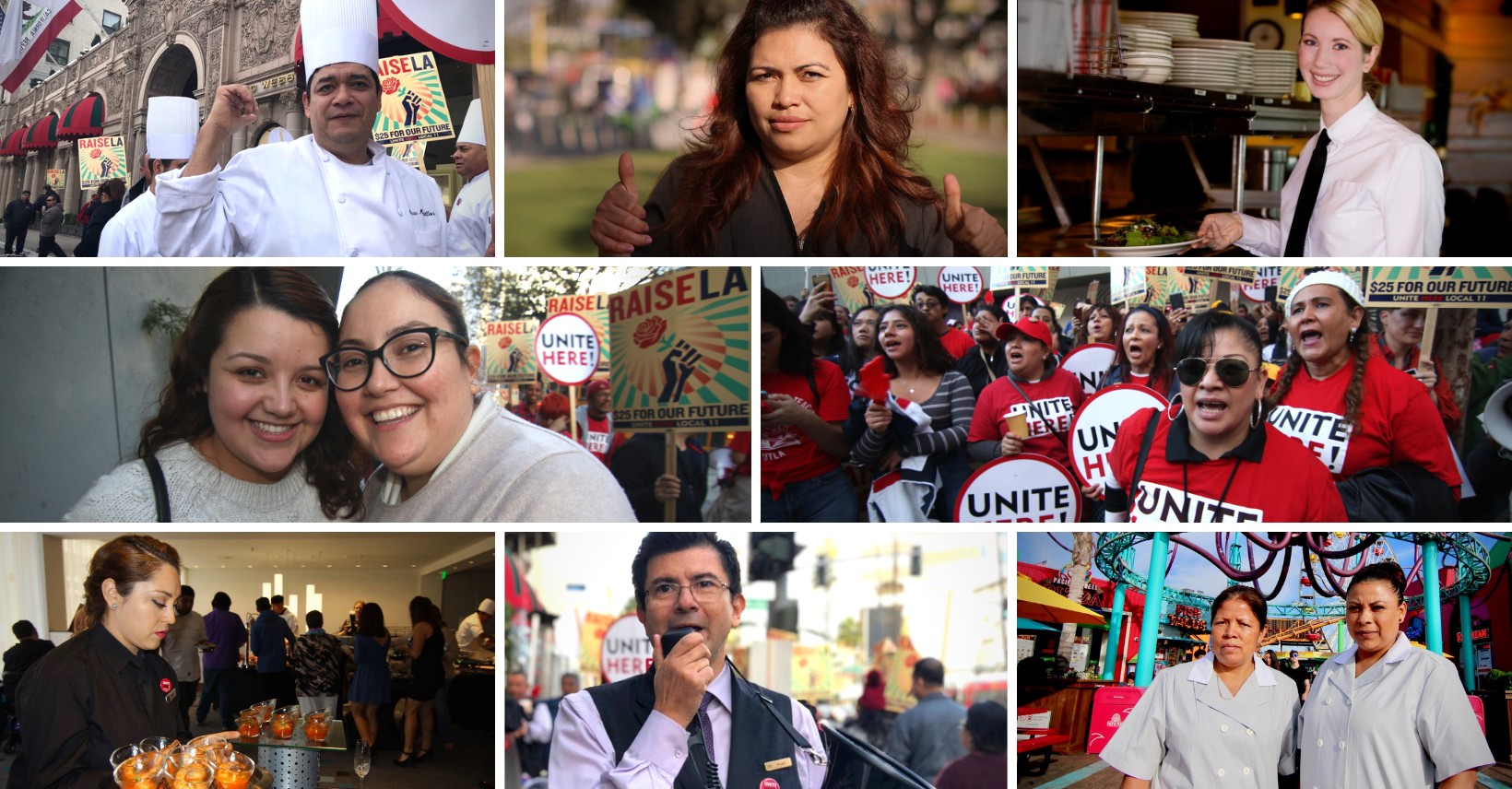
A CALL TO ACCOUNTABILITY
A CHALLENGE TO UNITE HERE LOCAL 11
The labor movement is built on a simple, sacred promise: You don’t leave anyone behind. Yet over the past several years, we have watched with deep concern as UNITE HERE Local 11 has made choices that contradict the values of racial justice, worker-centered leadership, and community solidarity that our movement claims as its moral foundation. We speak today as labor leaders, elected officials, and community leaders who believe we are strongest when we fight with one another, not against one another.
This is a call to accountability. It is not anti-union; it is pro-worker, pro-justice, and fiercely pro-solidarity. We cannot demand dignity from corporations while tolerating behavior that marginalizes Black workers, turns on allies, and weaponizes community pain.
I. A Leadership Shift – and a Vanishing Black Staff

When Local 11 moved to a three-co-president leadership structure, many hoped the change would usher in broader participation and shared power. Instead, Black staff members began leaving – some pushed out, some choosing to walk away from what they described as an increasingly hostile, racially exclusionary environment. Today, the near-absence of Black staff in an organization that claims to speak for low-wage workers across a multiracial region raises a painful question: Whose voices count?
Let’s be clear: whether departures resulted from direct firings, restructuring, attrition, or an intolerable climate, the impact is the same. When Black leadership or staff is virtually nonexistent the ability of any union to understand and represent Black workers is diminished. Representation is not optics – it’s infrastructure.
Accountability Steps
- Commission an independent racial equity audit (not internally overseen) with clear public reporting deadlines.
- Commit to rebuilding Black staff representation at all levels, with transparent hiring goals and retention benchmarks.
- Establish a protected, third-party reporting channel for Current and former Black staff to raise concerns without retaliation; publish aggregated findings annually.
II. Pandemic Priorities:
Raises at the Top While Members Were Out of Work
During the pandemic, hospitality and food service workers across Southern California faced mass layoffs, furloughs, and the insecurity of not knowing when-or if-their jobs would return. In the same period, compensation for Local 11’s top leaders rose.
Documented Pay Increases
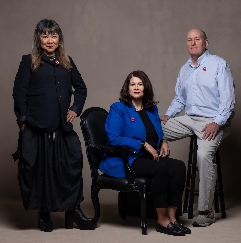
- Ada Briceño (Local 11 Co-President): Gross salary reported to the U.S. Department of Labor (DOL) rose from $118,005 (2021) to $130,431 (2022) – an increase of roughly 10.5%. Subsequent filings show continued increases: $138,229 (2023) and $144,493 (2024).
- Kurt Petersen & Susan Minato (Local 11 Co-Presidents; also, senior officers in
UNITE HERE Local 11): Gross salaries reported in DOL filings rose from $116,587
(2021) to $135,122 (2022) – about 16% growth year-over-year. Both continued to see raises in later filings (data available through 2024). - Family Employment: Public filings and watchdog reviews show that relatives of top officers (e.g., Petersen’s daughter, Minato’s spouse) received union payments or staff salaries that increased through the pandemic and recovery period. Petersen’s daughter received a 7% pay increase.
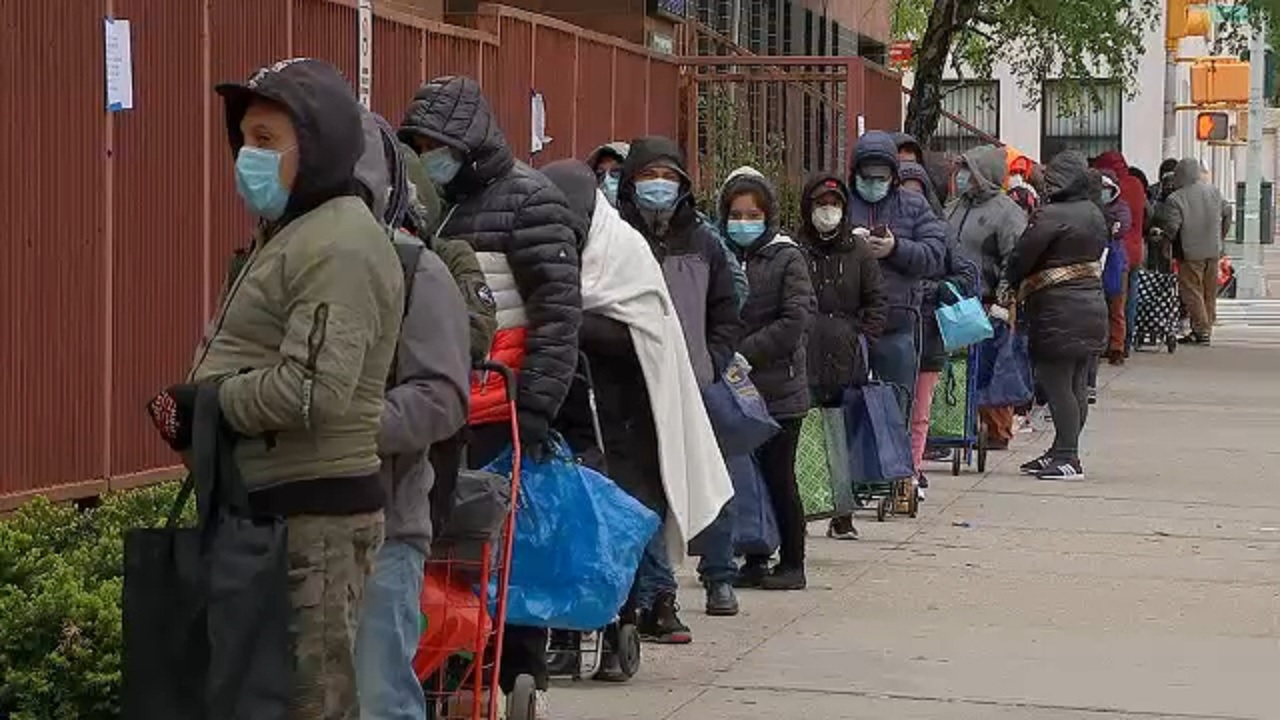
Context Matters. While leadership pay grew, union-represented housekeepers, dishwashers, banquet servers, cooks, airport concessions workers, and others were lining up at food distributions, navigating unemployment insurance, and worrying about rent. In those conditions, labor leaders must model shared sacrifice and financial transparency.
Accountability Steps
- Publish a transparent, member-facing financial dashboard showing officer compensation trends pre-pandemic (2019), peak pandemic (2020-2021), and recovery (2022-2024), with separate lines for Local vs. International pay where applicable.
- Pair any officer raises with a Member Hardship Offset Fund-automatic per-dollar allocation to direct member relief (food cards, rent bridge grants, strike hardship stipends).
- Adopt a Leadership Pay Equity Policy capping top-officer salary multiples relative to median member wage ( e.g., 5x cap unless membership votes otherwise).
III. “Protest” or Harassment?
Actions at the L.A. Grand Hotel While Unhoused Angelenos Were Sheltered
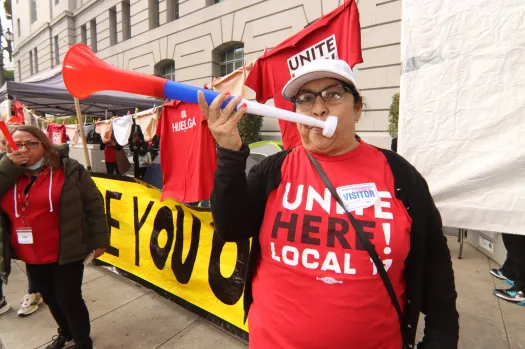
Mayor Karen Bass made confronting homelessness a governing priority. Emergency placements – including at the L.A. Grand Hotel, a major “Inside Safe” site – brought vulnerable, disproportionately Black Angelenos indoors. Local 11 has legitimately fought for the Grand’s workers, who endured difficult conditions and were paid low wages. But loud, high-impact actions (drums, noisemakers, prolonged picketing) at or near the site have, at times, collided with the needs of traumatized residents trying to stabilize their lives.
Call it pressure politics if you like; we call it punching down when vulnerable people become collateral damage. Those residents are not management. They are people – many of them Black – coping with mental health challenges, addiction, or trauma.
Repair Steps
- Issue a public apology to residents and service providers for any actions that disrupted care or recovery services.
- Negotiate a Community Impact Protocol – quiet hours, buffer zones, coordination with service agencies – before staging actions at shelters, interim housing, or similar sensitive sites.
- Jointly (union+ city+ providers) create a rapid-response mediation team to de-escalate conflicts when labor actions intersect with human services.
IV. Turning on Allies:
Local 11’s Picket of Long Beach’s First Black Mayor
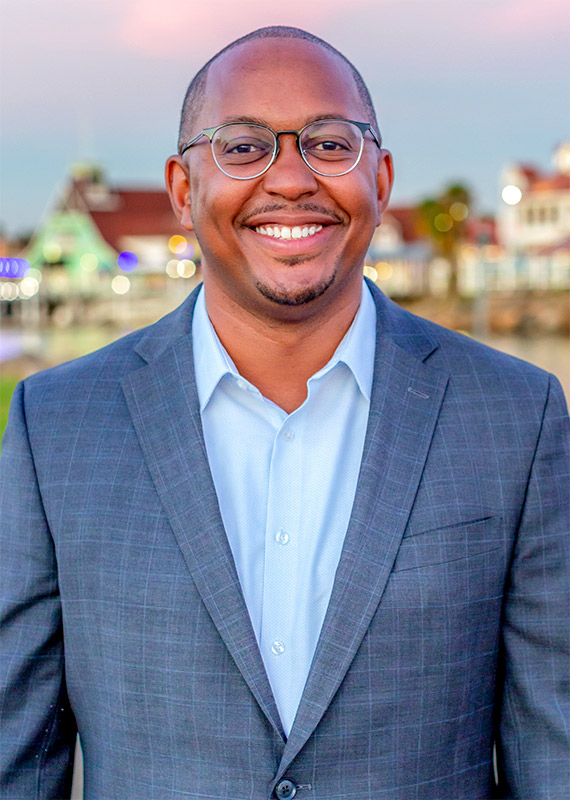
Long Beach voters made history when they elected Mayor Rex Richardson, the city’s first Black mayor. Richardson partnered with Local 11 on Measure RW, a wage standard that lifted hotel workers. Yet after benefiting from that alliance, Local 11 staged a picket line at his State of the City address amid a dispute over convention-center wages and subcontracting.
We all have walked more picket lines than we could count. They are powerful when aimed at intransigent employers. But when a union turns its fire on a proven ally – especially a barrier-breaking Black elected official who helped deliver wins for workers – it sends a damaging message: Loyalty is a one-way street. Movements keep score.
Rebuild Trust
- Convene a reconciliation summit with Mayor Richardson, impacted workers, community clergy, and regional labor leaders to reset relationships around shared pro-worker, pro-racial-justice goals.
- Develop criteria for escalation against allies (cooling-off, direct leader-to-leader conversation, mediation) before public confrontation.
- If escalation proceeds, message the distinction between employer policies and elected champions to avoid collateral political harm.
V. Dues Increases with Too Little Transparency

Members deserve to know why they are being asked to pay more and how the additional money will be used. Local 11 encouraged members to support dues increases during and after the pandemic; top-end dues reportedly moved from the $80 to the $90 per month range across 2022-2023, and an increase to $100 in 2025. Initiation fees have also climbed.
For low-wage, often immigrant workers in a cost-of-living crisis, dues hikes without crystal-clear budgeting erode trust.
Transparency Now
- Publish an annual plain-language budget explainer (1 page, infographic style) breaking out: member services; strike/hardship benefits; organizing; political/legislative; administrative overhead; officer & top staff compensation (Local + International where applicable); payments to affiliated nonprofits/consultants; reserves & debt service.
- Require a member vote for any dues increase above CPI unless tied to a time-limited, purpose-restricted fund (e.g., strike reserve).
- Launch a Dues Back Guarantee – if a promised program tied to a dues hike is not delivered within the stated period, members can vote to roll back the increase.
VI. Ada Briceño’s Troubling History Against Labor in OC
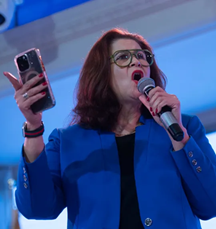
Despite holding the title of co-president of UNITE HERE Local 11 and Chair of the Democratic Party of Orange County, Ada Briceño has consistently acted against the interests of the broader labor movement in Orange County.
During her tenure as Chair of the Democratic Party of Orange County, Briceño routinely endorsed candidates who were at odds with those backed by the Orange County Labor Federation (OCLF). Rather than fostering unity within the labor movement, she often used her political influence to divide it – undermining solidarity among unions and weakening the collective power of working people in the region.
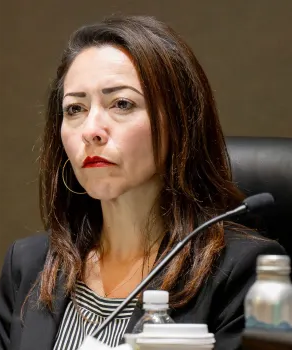
But perhaps the most egregious example of Briceño’s hostility toward labor-backed candidates was her role in the political targeting of Anaheim City Councilmember Natalie Rubalcava. Ada used the OCLF logo on one side of a flyer to recall Rubalcava. The conflict reportedly began during discussions around a minimum-wage ballot initiative. In a meeting that included Briceño, Rubalcava declined to pressure her fellow councilmembers to adopt the union’s entire proposal. Instead, the council passed an ordinance requiring hotels to provide workers with panic buttons, which was a significant safety win for workers, but not the full scope of what UNITE HERE had demanded.
Rubalcava’s measured approach, however, was met not with dialogue or continued advocacy, but with retaliation. According to Rubalcava, Assemblymember Avelino Valencia – her then-boss – later informed her that Briceno had declared: “Natalie is public enemy No. 1, and I will stop at nothing until she’s recalled and politically ruined forever.”
Shortly afterward, Rubalcava was terminated from her role as district director for Valencia’s office, with no explanation. Though Valencia refused to comment on the firing, the timing raised serious concerns within the labor community about political retribution and internal sabotage.
Rubalcava, a Latina leader who has supported working families and public service throughout her career, was left deeply hurt – not only by the political attack itself, but by the fact that it was led by another Latina in leadership. “I try not to talk negatively about women,” she said, “but I just think that we tear each other down far too often.”
Ada Briceño declined to respond when asked directly about her alleged threats toward Rubalcava.
The recall attempt was more than a political disagreement – it was a targeted campaign that used union resources and political influence to silence and remove a local elected official for not falling completely in line. This kind of intimidation undermines the democratic process, the independence of elected officials, and the very values of worker-centered leadership that the labor movement is supposed to uphold.
Councilmember Rubalcava summed it up best: “I can’t be bullied by anybody.”
Labor leaders must hold each other to a higher standard. True solidarity means standing with workers and allies, even when we disagree. It means building power collectively, not destroying it from within. And above all, it means ensuring that our movement is led by those who serve – not silence – the voices of working people,
[Vern just has to interject here. This re-telling of the Ada-Natalie feud leaves out a LOT. We in Anaheim lived through it, and neither side were angels. Ada’s Measure A sucked for a lot of reasons, and I don’t blame Natalie for (gleefully) killing it (right in front of the face of Ada, who had endorsed Al Jabbar over her — which I agreed with) but this is NOT an example of “Ada’s Troubling History Against Labor” – Natalie (from OCBC) killed Measure A not as a champion of labor but a champion of business. OK, Go on…]
VII. The Coming Olympics, the Talk of a General Strike,
and the Fair Games 2028 Platform

Los Angeles will host the Olympic and Paralympic Games in 2028. Mega-events bring money and risk. Local 11 has advanced a platform under the banner “Fair Games 2028: A New Deal for Los Angeles.” Core demands that many of us share include:
- Union jobs that support families with living wages and benefits.
- 50,000 units of worker housing for UNITE HERE Local 11 members.
- Strict limits/moratorium on speculative short-term rentals that cannibalize long-term housing.
- Safe, dignified treatment of immigrant & migrant communities.
Local 11 leaders have warned that if the IOC, LA28, public officials, and corporate beneficiaries fail to meet workers’ needs, members are prepared to escalate-including discussion in movement circles of a May Day General Strike on May 1, 2028.
We support the vision of union jobs, and guardrails against displacement. We wholeheartedly support protections for immigrant workers. We do not support 50,000 units of workers’ housing for UNITE HERE Local 11 members. These are righteous demands. But moral authority matters. A house divided on racial equity cannot credibly lead a region-wide call to action.
VIII. Path to Credible Leadership Before 2028
To earn broad labor and community backing for high-stakes Olympic leverage – including any talk of strike action – Local 11 must rebuild trust now. Below is a six-point pathway we urge the union to adopt (with timeline benchmarks suggested in brackets; refine after internal discussion):
1. Independent Racial Equity Audit & Action Plan (launch within 60 days; publish within 6
months)
Hire an external firm with labor + racial justice credentials. Publicly release findings; set corrective action timelines covering recruitment, retention, promotion ladders, anti-bias training, and culturally competent supervision.
2. Restore Black Representation (reach 2027 FTE baseline within 12 months; parity with regional Black workforce share within 24 months)
Set transparent hiring goals; publish quarterly progress. Pair with mentorship pipelines and career ladders into leadership, senior organizers, and political roles.
3. Financial Transparency Dashboard (beta in 90 days; quarterly thereafter)
Interactive, member-login tool showing revenue sources (dues, grants, reimbursements), expense categories (organizing, member support, strike fund, political, admin, officer/staff comp), liabilities, and reserves.
4. Community Impact Protocol (negotiate within 90 days; pilot at next high-impact action)
Co-created rules for picketing near shelters, interim housing, schools, clinics, and other sensitive sites. Include quiet hours, notification timelines, and mitigation supports.
5. Partnership Council for LA28 (convene by Q1 2026)
Shared governance table: cross-union delegates; community orgs; faith leaders; tenant associations; immigrant-rights, unhoused-advocacy, disability, and Black worker representatives. Co-draft regional bargaining agenda tied to Olympic timeline milestones.
6. Democratic Strike Authorization Standards (adopt bylaws amendments by end of 2026)
Before any call for a regional May Day or Olympic-related strike:
- Verified majority participation of impacted bargaining units.
- Documented bargaining impasse.
- Cross-union ratification vote.
- Hardship funds in place (target: 2 weeks of average wages per participating worker).
- Public equity certification from the Racial Equity Audit team
IX. What Real Solidarity Should Not Look Like
- Solidarity that excludes Black workers is not solidarity.
- Solidarity that terrorizes unhoused people with drums and noisemakers is not solidarity.
- Solidarity that punishes Black and Latina elected allies for doing the right thing is not solidarity.
- Solidarity that excludes other labor unions or community partners that selfishly only promotes UNITE HERE Local 11 interest is not solidarity
UNITE HERE Local 11 can do better. They must do better-because millions of workers across Los Angeles and Orange County are counting on the labor movement to rise to the challenges ahead: the cost-of-living crisis, housing insecurity, corporate consolidation, climate disruption,
ABRUPT ENDING EH? That’s all I got was the 6-page PDF. You can tell that’s not the end, but it does seem to be wrapping up. We would have liked to see how and by whom it was “signed.” I’ll see if I can track down the rest of it – Vern. NOW DISCUSS!


There’s an awful lot to digest here. Good thing I’m not hungry.
Here is who sent up the link to OCJ Blog on the previous blog for all readers to review.
The PDF version was sent to several labor unions and the DPOC for their comment.
https://www.instagram.com/ocrumormill/
The document was sent by traditional “MAIL” to several elected officials and labor organizations. We were told a 2nd package was sent with identical documents, but we are confirming and will update everyone if only the original 6 pages came through.
Rubalcava more pro labor than Ada? Seriously?
Yeah, that part gave me pause. There might be legitimate criticisms in the rest of the document, but if this comes down to a feud between NR’s clique (which includes law-enforcement-coddling rent-control-sabotaging Valerie Amezcua, David P, Phil B & Kim Nguyen) versus Ada’s clique (which includes progressive champions Vince S, Jessie L, and Johnathan) then I’m with Ada. Despite everything.
Do you smell Jeff Flint at work?
Is that creep back in town?