
Laguna Niguel’s CVRA Bad Faith:
A Coordinated Deception from Public Promise to Contract Breach
Laguna Niguel’s transition to district-based elections under the California Voting Rights Act (CVRA) did not collapse through confusion or mismanagement. It unfolded through bad faith at every critical stage—from early public messaging, to a signed Settlement Agreement executed without intent to perform, to a calculated breach followed by public smears meant to deflect responsibility.
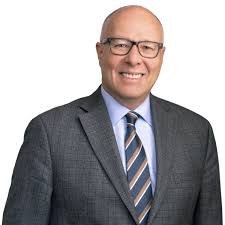
At the center of this course of conduct are City Attorney Scott Smith of Best Best & Krieger LLP (known for kissing the rings of politicians rather than advocating for honest and sound legal positions), Mayor Ray Gennawey, Councilmember Stephanie Winstead, and—at the outset—former Mayor Kelly Jennings.
This was not a series of mistakes. It was a managed narrative paired with malfeasance and intentional nonperformance.
The False Public Commitment That Set the Stage
Before the City Council ever voted on Safe Harbor or extensions via a Settlement Agreement, the public was conditioned by an official statement from the Office of the Mayor.

In a “Special Mayor’s Message” titled Regarding the City’s Transition to District-Based Municipal Elections, then-Mayor Kelly Jennings assured residents:
“Your City Council is united in its disdain for this petty political gamesmanship. We made the decision to transition to district elections, however, to protect our City’s finances, not because we believe anything needs to be changed, but just to avoid the cost of protracted litigation.”
That statement was false when made. The City was not positioning itself to avoid litigation costs – that has become onvious now that it is drowning in legal fees for not complying with their commitment under the Safe Harbor. It was laying the groundwork to delay compliance, induce reliance, and later repudiate its obligations—a strategy that would ultimately explode costs. The Jennings message created a false sense of finality and fiscal certainty, persuading residents that compliance was sincere and exposure capped.
It was the opening move in a longer deception and dereliction of fiduciary duty.
The Public Promise — and the Private Plan
The City publicly voted to transition to district elections and to pay plaintiff attorney fees capped at approximately $30,000–$35,000 under CVRA Safe Harbor provisions. Residents were told this would responsibly resolve the matter.
Behind the scenes, however, City leadership—under the continuing legal (mis-) guidance of Scott Smith of Best Best & Krieger—was already positioning to undermine that commitment while retaining its benefits. You may recall that Scott Smith was fired from the City of San Clemente for dragging that city through numerous lawsuits, so this is business as usual for Scott Smith and Best, Best & Krieger.
The 90-Day Extension: A Contract Signed in Bad Faith

Needing more time, Mayor Ray Gennawey and the City Council requested a 90-day extension to remain within the Safe Harbor. Plaintiff’s counsel Michelle Jackson agreed—only if the City signed a written agreement committing to CVRA compliance and reimbursement of fees incurred during the extension.
The plaintiffs agreed.
The attorney agreed.
The City signed.
But the City did not sign in good faith.
The agreement was executed under the advice and supervision of City Attorney Scott Smith of Best Best & Krieger, with full knowledge that the City did not intend to honor its core obligations. The City sought the benefit of time and Safe Harbor protections while privately planning to repudiate the agreement later. This was not a misunderstanding; it was calculated nonperformance, perhaps even flat out negligence.
From Planned Breach to Public Pretext

After receiving the benefit of the extension, the City did exactly what the public assurances had concealed: it refused to pay.
To justify that refusal, City leadership manufactured a post-hoc narrative—attacking opposing counsel rather than acknowledging the breach. They claimed she had “no plaintiffs” and labeled her demand “disingenuous.” These assertions were false and strategically timed after the City secured the extension.
By breaching the agreement, Laguna Niguel forfeited the Safe Harbor and exposed residents to uncapped CVRA litigation fees a foreseeable risk any competent municipal attorney would have flagged. Scott Smith did not. Of course, Scott Smith’s law firm, Best, Best & Krieger would handle the litigation and wholeheartedly accept the fees coming from the City’s coffers.
The City Attorney’s Role:
Scott Smith, Best Best & Krieger, Enabling the Outcome
Scott Smith’s role cannot be minimized as passive oversight. As City Attorney, his duty was to protect the City and its residents from foreseeable harm and fiscal mismanagement. Instead, he:

- Advised execution of an agreement without intent to perform
- Failed to warn the public of uncapped fee exposure
- Allowed demonstrably false claims to be made on the official record
- Permitted personal attacks against opposing counsel in formal meetings – if only attorneys were held to a civility standard, oh wait, they are! I hope Laguna Niguel’s counsel does not perjure himself by signing the Sate Bar required civility certification
- Escalated the dispute by bringing in litigation counsel, dramatically increasing costs to the City and its residents
Bad faith is proven by conduct taken with knowledge of consequences. Laguna Niguel’s City Council had that knowledge—and proceeded anyway.
The Public Smear Campaign: Deflection by Design
Once the breach occurred, City leadership pivoted to deflection. At the July 26, 2023 council meeting—under Best Best & Krieger’s Scott Smith’s supervision—the Council launched a coordinated public smear campaign against Jackson:
- Mayor Ray Gennawey: “The kind of lawyering that gives the legal profession a bad name.”
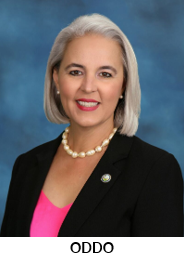
- Councilmember Stephanie Oddo: reduced Jackson to “an angry wife” engaging in “political retaliation.”
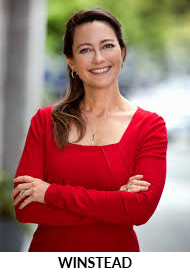
- Councilmember Stephanie Winstead: labeled her “a grifter” exploiting “this bad law.”
These were not policy critiques. They were personal, sexist attacks designed to shift blame away from a deliberate breach.
False Claims, Broadcast Widely
The misconduct compounded:
- Personal attack: reducing a professional attorney to caricature
- Professional discrediting: asserting she “gives attorneys a bad name”
- False accusations: claiming she had no plaintiffs—despite verified evidence, including a Laguna Niguel plaintiff who later gave a press interview!
- Public amplification: statements made in official, recorded proceedings
Reliance was induced. Performance was withheld. Reputation was attacked.
The Cost of Calculated Deception
By signing in bad faith and deliberately breaching settlement agreement, Laguna Niguel now faces:
- Uncapped CVRA attorney fees
- Prolonged litigation and appellate exposure
- Hundreds of thousands of dollars in avoidable legal costs
This outcome was foreseeable, warned against statewide, and chosen anyway.
Timeline of Bad Faith
(Jennings → Gennawey → Smith → Winstead)
Phase 1 — Conditioning the Public (Jennings)
- Official Mayor’s Message assures residents the transition is purely to “protect our City’s finances” and avoid litigation.
- Public confidence is induced; legal risk is minimized rhetorically.
Phase 2 — Optics and Delay (Gennawey)
- City votes to transition and seeks Safe Harbor protections.
- Requests a 90-day extension while maintaining the public fiction of fiscal responsibility.
Phase 3 — Contract Without Intent (Smith)
- City signs a written Safe Harbor extension agreement (the Settlement Agreement) under City Attorney supervision.
- No intent to perform; no warning to residents of uncapped exposure; litigation escalation prepared.
Phase 4 — Breach and Smear (Winstead, Council Majority)
- City refuses to pay as agreed; Safe Harbor forfeited.
- False claims and personal attacks launched in public meetings to deflect responsibility.
Conclusion: Bad Faith Is the Throughline

This was never about confusion over the CVRA. It was about managing perception while evading obligations. A false public commitment set the stage; a contract was signed without intent to perform; a breach was executed; and a smear campaign followed.
Laguna Niguel did not stumble into this crisis.
It engineered it—and residents are paying the price.


Leave a Reply